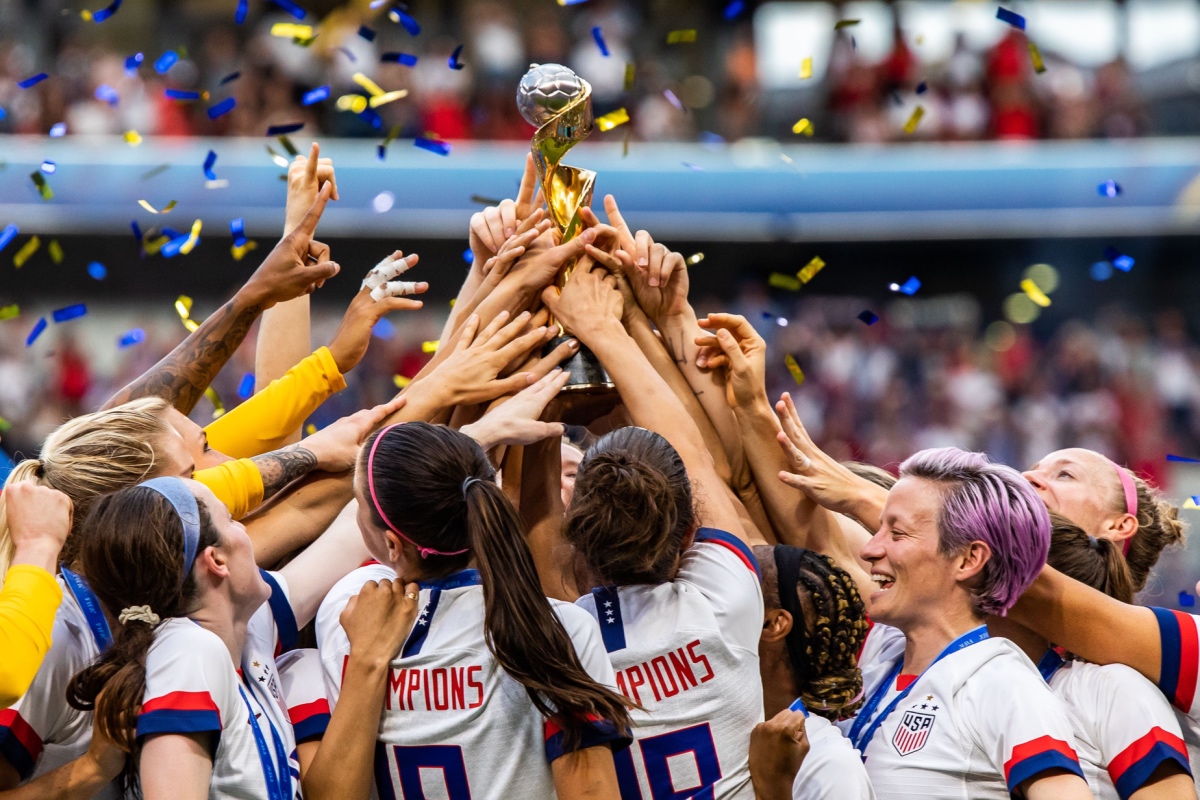



With the new women’s football season just kicking off, all eyes are on the domestic game as interest and investment continue to surge. There’s no shortage of talk about the sport’s rapid growth, from record attendances to headline-making sponsorship deals, but questions remain about how brands can truly connect with this passionate audience.
To get some answers, Insider Sport sat down with James Delves, Head of PR and External Affairs at the Chartered Institute of Marketing (CIM).
Delves explains that storytelling is now the most powerful tool in sports marketing, adding that by combining audience insights with data-driven strategies, brands can craft campaigns which feel authentic and resonate deeply with women’s football fans.
Read the full interview below
How important is storytelling in today’s sponsorships, and how do brands use data to tailor narratives that truly resonate with women’s football audiences?
For over 100 years, the CIM has been a leading voice in marketing, championing the profession and its positive impact on organisations, economies, and society. Today, we play a more significant role than ever in supporting, developing, and representing our members and the wider marketing community across the globe.
One area of marketing that has evolved into a dynamic, multi-billion-dollar field is sports marketing. In this space, storytelling has emerged as one of the most powerful tools for building meaningful connections between brands and fans. It enables organisations to foster lasting relationships and stand out in a competitive landscape.
Increasingly, data plays a critical role in shaping effective storytelling. By leveraging insights into audience demographics, preferences, and behaviours, marketers can craft targeted content that resonates deeply and feels genuinely authentic.
How has the rise of women’s football created new opportunities for brands to connect with fans on a deeper emotional level compared to traditional sports sponsorships?
The rise in women’s football has unlocked a whole host of opportunities for brands which connects with people on a deeper level.
For brands, women’s football is a storytelling goldmine, deep-rooted in resilience, community, and progress. It is so much more than elite performance. Fans of the sport aren’t just spectators, they are participants in the cultural shift the sport represents – which is the perfect background for cultivating partnerships with real meaning.
Tapping into women’s football is not only supporting the sport, but the broader movement around equality, empowerment, and diversity. This emotional resonance goes beyond simple logo placement; it’s about shared values and authentic storytelling that celebrates athletes as role models and advocates. The genuine enthusiasm and loyalty of women’s football fans has created fertile ground for brands to build meaningful, lasting relationships.
What makes sponsorship in women’s football uniquely suited to values-driven marketing, and how can brands leverage this to stand out in a crowded marketplace?
Women’s football sponsorships are uniquely positioned at the intersection of sport and social progress, making them ideal platforms for values-driven marketing. The sport’s growth is often linked with themes of inclusion, gender equality, and empowerment, which resonates with today’s conscious consumer.
Successful sport-activations tend to combine emotional relevance with practical value. In women’s football, ambitious brands should look beyond performance to mental health initiatives, grassroots access, and sustainability. Nowadays, it is becoming an expectation for brands to become leaders in these areas – demonstrating purpose beyond profit.
For example, campaigns that challenge stereotypes, champion grassroots programmes, and highlight the resilience engrained in women’s football are all much more likely to stand out in the saturated sports-marketing crowd, compared to product-lead campaigns which lack authenticity and emotional depth.
In your view, what are some common mistakes brands make when sponsoring sports properties, and how can these be avoided in the women’s game?
A frequent misstep is treating sponsorship like a transactional relationship. This often leads to generic activations that lack authenticity and fail to resonate. Being the loudest in the room does not mean success. It’s about being the most meaningful.
In women’s football, brands should avoid over-branded, disruptive activations that don’t enhance the fan or player experience. Fostering meaningful collaborations with players, clubs and fans is what generates purposeful and valued sponsorships.
How can sponsors ensure their involvement feels authentic and not just transactional, especially when fans are increasingly savvy and wary of “empty” branding?
Authenticity stems from transparency, consistent engagement, and a clear alignment between brand values and sponsorship activities. Sponsors should move beyond logos on kits or stadium banners, and instead actively participate in the sport’s growth through support for player welfare, community programmes, and meaningful content that highlights shared values.
The most memorable activations, in any sport, are those that add to the journey rather than interrupt it. This could mean creating tech-enabled experiences that bring fans closer to players, or community initiatives that leave a legacy beyond match day.
Listening to fan feedback and engaging in two-way conversations, rather than broadcasting one-sided messaging, helps sponsors stay connected and relevant.
What role does long-term strategic thinking play in sponsorships today, and why is this particularly relevant in the evolving landscape of women’s football?
Long-term strategic thinking is essential because authentic partnerships take time to build and bear fruit. In the rapidly evolving context of women’s football, where commercial structures and fan bases are still developing, a patient, sustained approach allows brands to adapt, learn, and deepen their connections.
The most effective activations extend before, during, and after the event. In women’s football, a similar model means embedding the brand across seasons – from pre-season community training, to match-day experiences, to off-season player support. By committing for the long haul, sponsors can help shape the sport’s growth trajectory while embedding themselves as trusted partners in the community.
We’ve seen a rise in offshore gambling sponsorships in men’s football, which some critics say reflects a lack of genuine emotional connection with fans. From a marketing standpoint, how can brands in women’s football avoid similar pitfalls and build more authentic, values-driven partnerships
Focusing on the community ethos of women’s football, pivotal role it is playing in society and female empowerment will help keep brands on the straight and narrow. This should help to prevent brands from being persuaded by partnerships that are contradictory to what the sport truly stands for, and that are purely transactional.
Values alignment is becoming a non-negotiable for fans. Partnerships that undermine the sport’s ethics can quickly erode trust and undo years of goodwill.
Looking ahead, how do you see sponsorship strategies evolving as women’s football continues to grow commercially and culturally?
As women’s football grows, sponsorship strategies will become increasingly sophisticated and integrated. Expect more hybrid models that blend physical activations with digital storytelling. We suspect post-match personalised content, tech-enhanced merchandise, and interactive fan zones could become standard, as brands aim to stay part of the conversation long after the final whistle.
We can expect greater emphasis on values alignment, with sponsors playing a role in advancing social causes linked to the sport’s identity. Ultimately, sponsorships will evolve from transactional deals into strategic partnerships that drive mutual growth, cultural impact, and meaningful fan engagement.
Insider Sport explored a similar topic last month, speaking to Lisa Parfitt, Director at Women in Football and Co-Founder of The Space Between. Parfitt explained how the women’s game has evolved from being supported as a social good to becoming a measurable commercial opportunity for brands.
“Brands’ responsibility is not to fund football,” she told Insider Sport. “It’s to make money for their business.” She added that sponsorship is now about clear commercial value: “It can be sold on: this is how many chocolate bars you’re going to sell, this is the value you’re going to get.”
You can click HERE to read the full interview.